Case studies
Knowledge Center
Container Closure Integrity Test Method Validation for Prefilled Syringes
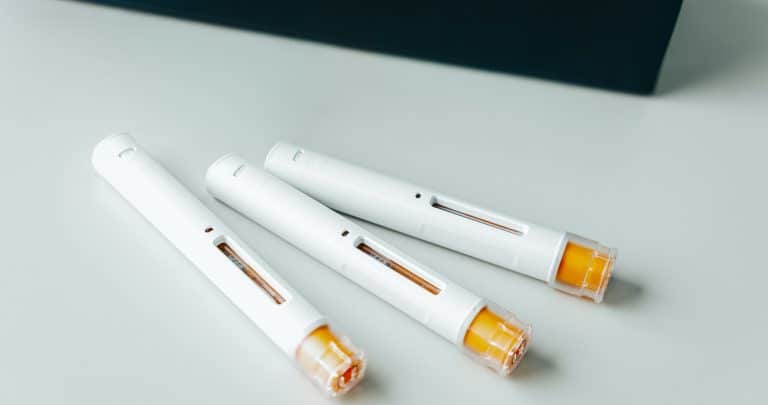
Container closure integrity testing of prefilled syringes confirms that the primary package — barrel, stopper and plunger — protects a sterile product for its full shelf life. The plunger seal is the site most likely to leak, so any CCI test method aimed at syringes has to be validated specifically for that location, not just shown to work in general terms. This case study walks through how one such prefilled syringe integrity testing method was developed and validated.
The challenge: detecting defects at the plunger seal
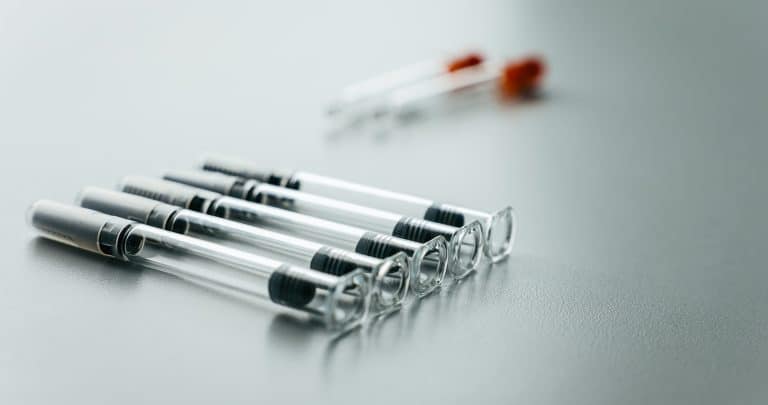
A prefilled syringe raises a different container closure integrity question than a vial. By design, a syringe is designed with a plunger that can move, and that mobility is what makes the plunger seal a plausible leak path. A syringe CCIT method needs to demonstrate, with data, that it can reliably detect a defect. For this particular case study, the method was specifically validated to detect leaks at the plunger seal.
How the method was developed and validated
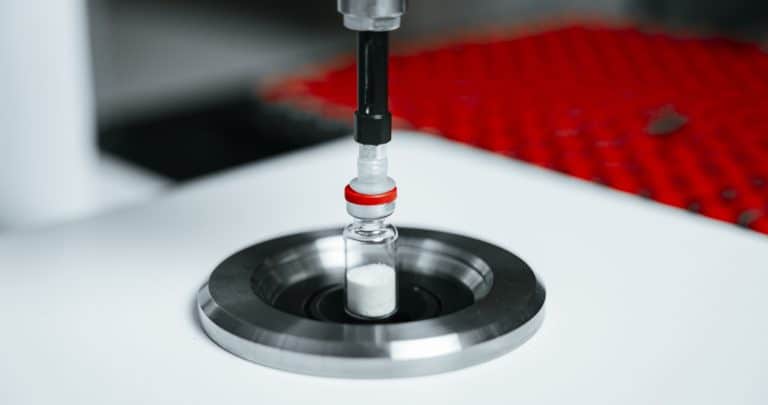
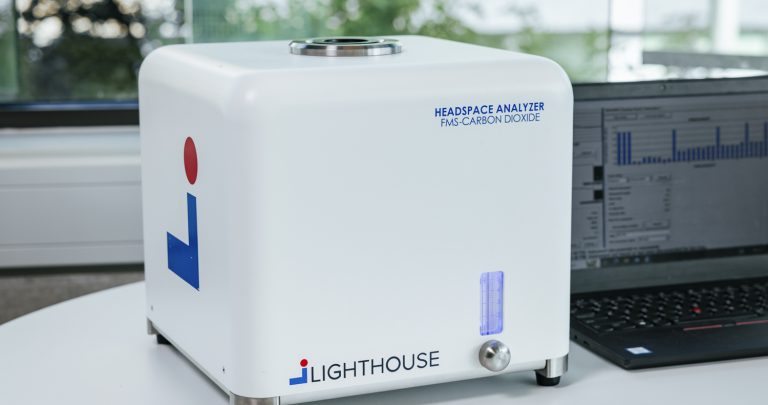
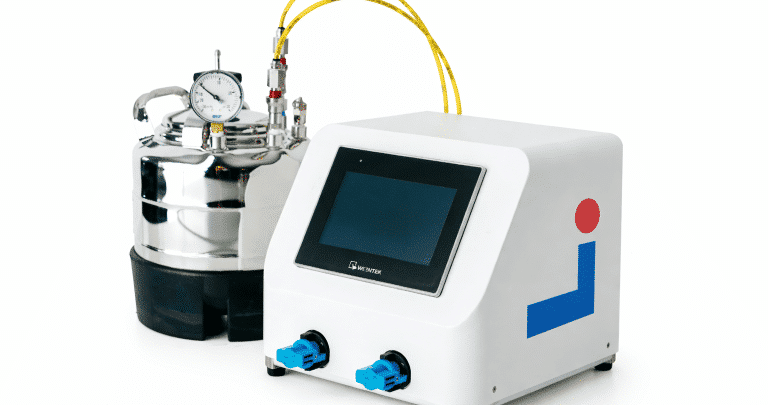
The method pairs an FMS Headspace Carbon dioxide Analyzer with a CCI Test Vessel. The vessel accelerates gas ingress through any open defect, using carbon dioxide as the tracer gas: where a leak exists at the plunger seal, carbon dioxide moves into the syringe headspace and is picked up by headspace gas analysis. No sample destruction; the syringe is measured as it stands.
To validate the method, positive control samples were created with a tungsten microwire placed at the plunger seal. These samples were conditioned in the CCI Test Vessel with a carbon dioxide overpressure, and headspace analysis of the conditioned sample set was completed in under 15 minutes. The validation design covered several control groups of 15 1 mL syringes each, with three operators, each measuring five samples per group — a structure built to demonstrate accuracy and reproducibility across operators.
Results: complete detection, zero false positives
Every syringe with a plunger-seal defect was correctly identified: 15 out of 15 in each positive control group. Every negative control measured no carbon dioxide ingress at all, for zero false positives across the study. All positive controls took up more than half an atmosphere of carbon dioxide in the syringe headspace, a clear separation from the negative control results. The complete sample set, across all control groups and all three operators, was analyzed in under 15 minutes.
What this means for your syringe testing strategy
This headspace gas ingress method was validated for detecting a critical leak at the plunger seal for one specific syringe configuration. The parameters behind it, including pre-conditioning time, carbon dioxide overpressure and analysis settings, can be optimized for other syringe formats and fill volumes if needed.
If you are building or reviewing a container closure integrity testing strategy for a prefilled syringe, talk to one of our application scientists about how a similar validation could be structured for your product. Or download the full case study, which includes the used conditioning parameters, detailed results table and control-group breakdown.