

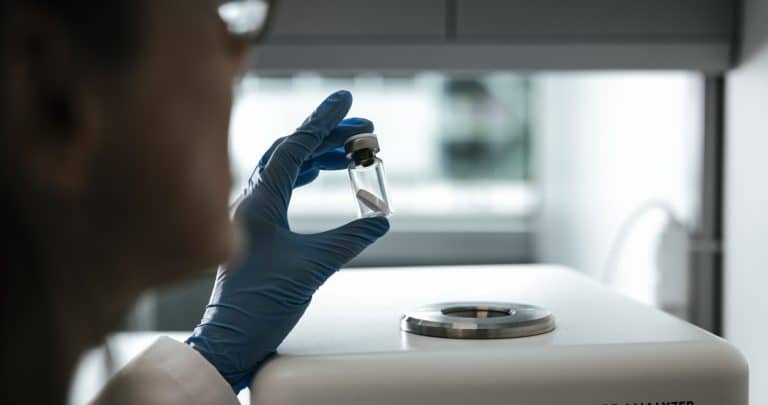
Water Activity Determination
LIGHTHOUSE water activity measurements are
- A direct measurement of reactive water
- Providing direct insight into product stability
- Unaffected by other volatiles
- Free from "moisture memory" from prior samples
Measure reactive water directly with headspace water activity analysis
USP <922> defines water activity (aw) as the free, unbound water available to fuel unwanted chemical, physical, or biological reactions.
Unlike total water content, water activity directly correlates to critical quality attributes of tablets and capsules.
Monitoring it throughout the product lifecycle ensures control over attributes like microbial growth, degradation, dissolution, and hardness, using non-destructive headspace analysis for precise data.
TOPICS ON THIS PAGE
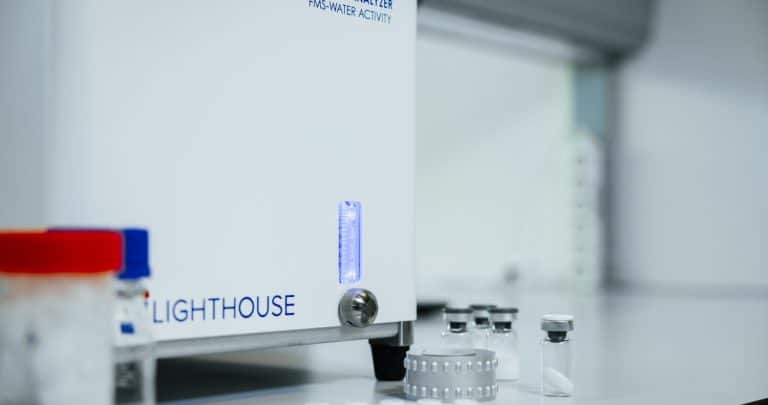
Selecting the right primary package for your product
Non-destructive headspace analysis can be used to assess a primary package’s ability to maintain low water activity throughout its shelf life, ensuring product quality up to expiration.
LIGHTHOUSE supports development studies to help you select the most effective packaging for long-term product stability.
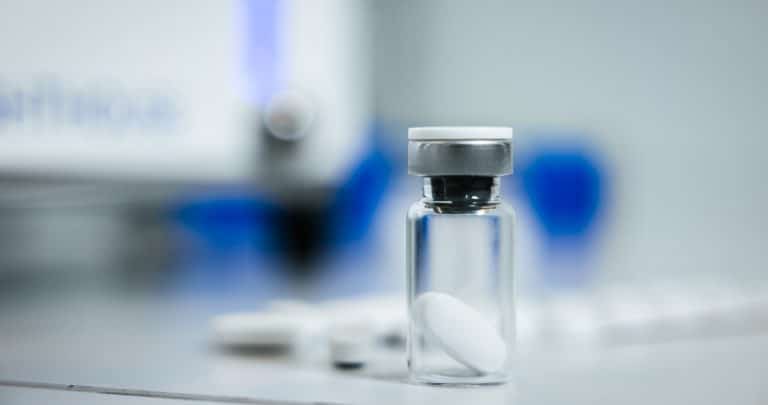
Water activity as a direct measure for product quality
Water activity directly impacts the stability and quality of dry pharmaceutical products.
Determining water activity offers valuable insights into how environmental factors like temperature and humidity affect key characteristics such as powder flow, compression, and adhesion.
Moreover, water activity is key to minimizing microbial risk in dry pharmaceuticals. According to USP <1112>, controlling water activity reduces the need for frequent microbial testing.
KNOWLEDGE CENTER
Latest Resources on Water Activity




Get in touch with Tom
Do you have questions about our services or need expert advice for your project? Our dedicated team is here to help. Contact us today to learn how we can support your specific needs.
